May 17, 2026
Sustainable Packaging Trends in Fashion Accessories: Green Manufacturing Practices from Recycled Paper to Eco-Friendly Inks to Biodegradable Materials
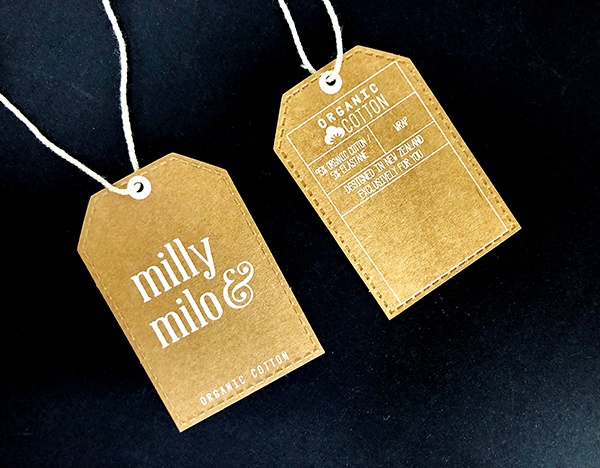
Table of Contents
1. Introduction: The Importance of Sustainable Packaging for Apparel Accessories
2. Core Materials of Sustainable Packaging for Apparel Accessories
3. Recycled Paper: The Basic Material of Eco-Friendly Packaging
4. Eco-Friendly Inks: Green Printing for Sustainable Packaging
5. Biodegradable Materials: The Future of Apparel Accessory Packaging
6. Green Manufacturing Practices in Sustainable Packaging Production
7. Analysis of Packaging Sustainable Trends in Apparel Accessory Industry
8. Performance, Cost and Environmental Impact Comparison Table
9. Industry Data and Practical Insights
10. Frequently Asked Questions (FAQs)
1. Introduction: The Importance of Sustainable Packaging for Apparel Accessories
Apparel accessories, from scarves and hats to belts and jewelry, are an essential part of the fashion industry. Their packaging is more than just a protective layer.
It reflects a brand’s attitude towards environmental protection and resonates with eco-conscious consumers. As global attention to sustainability grows, sustainable packaging has become a core competitive advantage.
Brands are no longer choosing packaging materials blindly. They are shifting from traditional non-recyclable materials to more eco-friendly options.
From recycled paper to eco-friendly inks, and then to biodegradable materials, every step of innovation promotes the green transformation of the industry.
Apparel accessory sustainability is no longer a slogan, but a concrete practice that runs through the entire packaging production process.
2. Core Materials of Sustainable Packaging for Apparel Accessories
The quality of sustainable packaging for apparel accessories depends largely on the selection of core materials.
The most widely used and mature materials in the industry currently include recycled paper, eco-friendly inks, and biodegradable materials.
Each material has its own unique characteristics and application scenarios, and together they form a complete green packaging system.
The rational combination of these materials not only ensures the protective and decorative functions of the packaging, but also maximizes the environmental benefits.
This also lays a solid foundation for the green manufacturing of apparel accessory packaging.
3. Recycled Paper: The Basic Material of Eco-Friendly Packaging
Recycled paper is the most commonly used material in sustainable packaging for apparel accessories. It is made from recycled waste paper, reducing the felling of trees.
Its production process consumes 30% less water and 40% less energy compared with virgin paper, which greatly reduces carbon emissions.
3.1 Characteristics of Recycled Paper for Packaging
Recycled paper has a natural and textured surface, which can add a simple and high-end sense to apparel accessory packaging.
It has good printability and can be matched with eco-friendly inks to achieve beautiful printing effects without polluting the environment.
It is lightweight but strong enough to protect small accessories such as earrings, necklaces and hair clips from damage during transportation.
3.2 Application in Apparel Accessory Packaging
Recycled paper is widely used in gift boxes, bags, and tags for apparel accessories.
Many brands use thickened recycled paper to make packaging boxes, which can be reused multiple times, further improving the sustainability of the packaging.
Some high-end brands also use recycled paper with special processing, such as waterproof and oil-proof treatment, to expand its application scope.
4. Eco-Friendly Inks: Green Printing for Sustainable Packaging
Eco-friendly inks are an indispensable part of sustainable packaging. Traditional oil-based inks contain a lot of volatile organic compounds (VOCs), which pollute the air and soil.
Eco-friendly inks, on the other hand, are made from natural materials such as plant oils and soybeans, which are non-toxic and degradable.
4.1 Types and Advantages of Eco-Friendly Inks
The most common eco-friendly inks include water-based inks, soy-based inks, and UV-curable inks. Water-based inks have the lowest VOC emissions and are the most environmentally friendly.
Soy-based inks have good color saturation and adhesion, suitable for printing on recycled paper and biodegradable materials.
UV-curable inks dry quickly and have high wear resistance, which is suitable for packaging that needs long-term storage.
4.2 Practical Value in Apparel Accessory Packaging
Eco-friendly inks not only protect the environment, but also ensure the safety of consumers.
For apparel accessories that are in direct contact with the skin, such as scarves and gloves, the packaging printed with eco-friendly inks will not release harmful substances.
This also helps brands enhance consumer trust and promote the development of apparel accessory sustainability.
5. Biodegradable Materials: The Future of Apparel Accessory Packaging
Biodegradable materials are the most promising direction in the field of sustainable packaging. They can be completely decomposed into harmless substances in natural environments, without causing long-term pollution.
In recent years, with the advancement of technology, the cost of biodegradable materials has gradually decreased, and their application in apparel accessory packaging has become more and more extensive.
5.3 Common Biodegradable Materials for Packaging
The main biodegradable materials used in apparel accessory packaging include PLA (polylactic acid), PBAT (polybutylene adipate terephthalate), and bamboo fiber.
PLA is made from corn starch, which is renewable and has good transparency, suitable for making packaging boxes and bags for small accessories.
PBAT has good toughness and waterproof performance, which can be mixed with PLA to improve the durability of the packaging.
5.4 Application Prospects
Biodegradable materials solve the problem of difficult recycling of traditional plastic packaging.
For example, the biodegradable plastic bags used for packaging socks and hair accessories can be completely decomposed in soil within 6-12 months.
With the support of national environmental policies, the application of biodegradable materials will become more popular in the future.
6. Green Manufacturing Practices in Sustainable Packaging Production
Sustainable packaging is not only about the selection of materials, but also involves the entire production process. Green manufacturing is the key to realizing the full life cycle environmental protection of packaging.
6.1 Energy-Saving and Emission-Reduction in Production
In the production process of recycled paper and biodegradable materials, enterprises adopt energy-saving equipment and clean production technologies.
They reduce the use of fossil fuels and the emission of waste water and waste gas, realizing the greenization of the production process.
6.2 Waste Reduction and Recycling
Green manufacturing also includes the recycling of production waste. For example, the waste paper generated in the production process is recycled again to make recycled paper.
The waste generated in the production of eco-friendly inks is treated harmlessly, avoiding environmental pollution.
This forms a closed-loop production model, maximizing the utilization of resources.
7. Analysis of Packaging Sustainable Trends in Apparel Accessory Industry
The sustainable packaging trend of apparel accessories is closely related to consumer demand, policy guidance and technological progress.
In the next few years, the industry will show three obvious development trends.
First, the integration of sustainable materials will become more close. Recycled paper, eco-friendly inks and biodegradable materials will be used in combination to achieve better environmental and functional effects.
Second, the recyclability and reusability of packaging will be paid more attention. Brands will design more reusable packaging to reduce waste.
Third, digital technology will be integrated into green manufacturing, improving production efficiency and reducing environmental impact.
8. Performance, Cost and Environmental Impact Comparison Table
The following table compares the performance, cost and environmental impact of the three core sustainable packaging materials, based on industry test data and market research:
Material Type | Performance | Unit Cost (Large Order, $) | Degradation Cycle | Environmental Impact | Suitable Apparel Accessory Type |
Recycled Paper | Good printability, light weight, medium durability | 0.06-0.09 | 3-6 months | Low (Recyclable, low carbon emission) | Scarves, hats, jewelry boxes |
Eco-Friendly Inks | Good color fastness, non-toxic, strong adhesion | 0.12-0.18 per liter | 1-3 months | Very low (No VOC emissions) | All types of accessory packaging |
Biodegradable Materials (PLA/PBAT) | Waterproof, good toughness, high transparency | 0.10-0.15 | 6-12 months | Very low (Completely biodegradable) | Small accessories, socks, hair accessories |
9. Industry Data and Practical Insights
The global sustainable packaging market for apparel accessories was valued at approximately $1.2 billion in 2024, and is projected to reach $2.1 billion by 2030, with a CAGR of 9.8%.
According to industry surveys, 78.3% of consumers are willing to pay 5-8% more for apparel accessories with sustainable packaging.
In 2025, the penetration rate of recycled paper in apparel accessory packaging reached 45.3%, an increase of 18 percentage points compared with 2022.
The global eco-friendly inks market is expected to surpass $8.9 billion by 2035, driven by the growing demand for green packaging.
In China, the market size of biodegradable packaging materials for apparel accessories is expected to reach 48 billion yuan in 2030, with an average annual growth rate of 15%.
A 2026 market report shows that 68% of apparel brands have incorporated sustainable packaging into their brand strategy, and this ratio is still rising.
10. Frequently Asked Questions (FAQs)
Q1: Is recycled paper packaging durable enough to protect fragile apparel accessories?
A1: Yes. After special processing, thickened recycled paper has good toughness and pressure resistance. It can effectively protect fragile accessories such as jewelry and hair clips during transportation.
Q2: Do eco-friendly inks have poor color fastness compared with traditional inks?
A2: No. With the advancement of technology, the color fastness of eco-friendly inks is almost the same as that of traditional inks. Some high-quality soy-based inks even have better color saturation.
Q3: Are biodegradable materials more expensive than traditional plastic materials?
A3: Currently, the cost of biodegradable materials is 15-25% higher than that of traditional plastics. But with the expansion of production scale and technological progress, the cost is gradually decreasing.
Q4: How to judge whether the apparel accessory packaging is truly sustainable?
A4: You can check the material label of the packaging. Recycled paper should be marked with "recycled material", and biodegradable materials should have relevant certification marks (such as GRS certification).
Q5: What is the core significance of green manufacturing for sustainable packaging?
A5: Green manufacturing ensures that the entire production process of packaging is environmentally friendly, reducing energy consumption and waste emissions, and realizing the full life cycle sustainability of packaging.
Related articles
May 16, 2026
Durability and compliance of garment care labels: quality assurance system from high-density weaving to screen printing to wash resistance testing
May 16, 2026
Guide to Material and Craft Selection for Clothing Tags: Environmental Trends and Cost Analysis from Coated Paper to PVC to Recycled Materials