August 11, 2026
Hang Tags. Woven Labels. Printed Labels. Packaging Materials. The Anatomy of a Premium Brand.
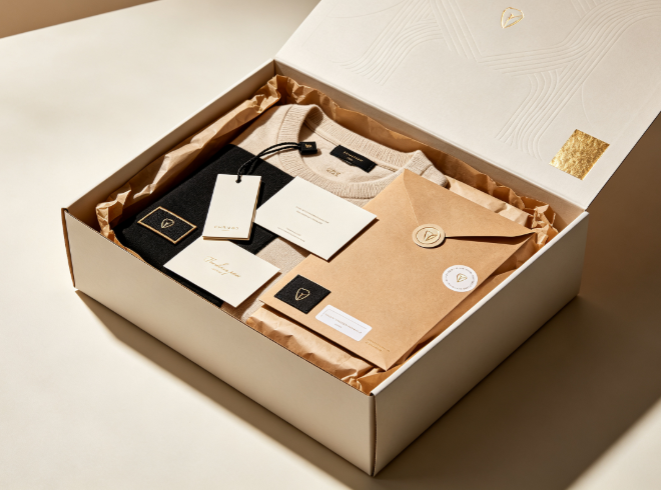
Table of Contents
1. Introduction
2. Core Product Range & Unique Characteristics
3. How Labels & Packaging Shape Premium Brand Identity
4. Key Production Advantages for High-end Brand Merchandise
5. Common Pitfalls of Generic Label & Packaging Solutions
6. Data Comparison: Basic Mass-produced Labels VS Premium Custom Branding Components
7. Strict Whole-process Quality Control for Brand Materials
8. Typical Industry Application Scenarios
9. Custom Brand Development Service
10. Conclusion
11. Industry FAQ
1. Introduction
A premium brand is built not only on product performance, but also on consistent sensory customer touchpoints. Hang tags, woven labels, printed labels and supporting packaging materials act as silent brand ambassadors. Cheap, generic labelling creates disposable commodity perception; thoughtfully crafted custom branding elements deliver texture, storytelling and perceived value that differentiate luxury, fashion and lifestyle brands from mass-market competitors.
This article breaks down how each category of label and packaging material contributes to brand positioning, explores design, material and craft options, and outlines the production standards required to deliver cohesive premium brand presentation. It serves as a reference for fashion brands, apparel manufacturers, lifestyle product operators and retail packaging buyers.
Core Industry Keywords: hang tag, woven label, printed label, clothing label, custom packaging materials, premium brand branding, apparel packaging, brand identity components, sustainable label materials, luxury retail packaging, woven neck label, swing tag
2. Core Product Range & Unique Characteristics
2.1 Custom Hang Tags (Swing Tags)
Cardstock hang tags, special textured paper tags, kraft tags, coated tags, die-cut shaped hang tags, embossed / debossed, foil-stamped, UV printed hang tags. Can integrate brand logo, product specifications, care information, origin storytelling and QR codes. Visible at first customer contact on retail racks.
2.2 Woven Labels
Fine jacquard woven neck labels, size woven tabs, woven side seam labels, damask woven patches. Ultra-fine yarn enables sharp, intricate logos. Soft edge finishing prevents skin irritation. Widely used inside apparel, bags and footwear for permanent brand marking. Available in taffeta, satin and recycled yarn variants.
2.3 Printed Labels
Satin printed labels, coated fabric printed tags, care labels, size printed tapes, adhesive fabric labels. High-resolution digital or flexo printing supports multicolour graphics, detailed care symbols and variable data. Flexible, cost-effective for multi-SKU ranges.
2.4 Supporting Packaging Materials
Poly bags, paper boxes, tissue paper, ribbon, sticker seals, brand envelopes, header cards and retail display packaging. Coordinated colour palette, texture and print style unify the full unboxing experience.
3. How Labels & Packaging Shape Premium Brand Identity
3.1 First Impression Visual Consistency
Matching fonts, colour palette, logo proportions and finish across hang tags, woven labels and packaging creates a unified visual language. Inconsistent generic labels break brand recognition and weaken premium positioning.
3.2 Tactile Sensory Experience
Textured cardstock, soft dense woven yarn, matte coatings, embossing and metallic foils deliver tangible quality. Shoppers associate richer texture with higher product value.
3.3 Functional Brand Storytelling
Hang tags carry brand narratives, sustainability claims and product highlights; internal woven labels embed logo persistence throughout the product lifecycle. Packaging extends the experience from shelf to unboxing at home.
3.4 Differentiation from Generic Merchandise
Mass-produced basic labels use limited colours, simple fonts and thin raw materials. Custom-shaped tags, high-density woven artwork and premium sustainable materials signal limited-run, thoughtful brand creation.
3.5 Trust & Perceived Value
Complete, professionally finished branding communicates attention to detail. Consumers interpret meticulous labelling as evidence that the brand invests equally in product quality.
4. Key Production Advantages for High-end Brand Merchandise
4.1 Wide Customization Freedom
Custom shapes, sizes, yarn types, paper grades, printing techniques and finishing processes. Designs can be fully aligned with brand CI guidelines without compromise.
4.2 Premium Material Selection
Recycled paper, organic yarn, compostable films, textured stock, water-based eco inks support sustainable brand propositions. Luxury options include thick duplex card, satin woven fabric and soft-touch lamination.
4.3 Multiple Decorative Craft Options
Foil stamping, emboss/deboss, UV spot print, laser cutting, special die-cut shapes, edge painting and tear-resistant reinforcement.
4.4 Consistent Colour Matching
Professional Pantone colour management ensures logo shades remain identical across woven fabric, printed labels and paper hang tags.
4.5 Small-batch Flexible Production
Support pilot collections, limited editions and seasonal short runs alongside large-volume mass production, ideal for emerging premium brands.
5. Common Pitfalls of Generic Label & Packaging Solutions
5.1 Visual Inconsistency
Different suppliers produce mismatched colour tones, font spacing and logo proportions, fragmenting brand image.
5.2 Low-grade Raw Materials
Thin paper prone to creasing, coarse woven yarn causing skin irritation, easily scratched printed surfaces reduce perceived value.
5.3 Limited Craft Capability
Generic manufacturers only offer basic flat printing; unavailable embossing, foil or custom shaping, restricting premium creative concepts.
5.4 Poor Durability
Printed labels fade after washing; low-density woven labels fray; hang tags tear easily during transit or retail handling.
5.5 Lack of Sustainable Material Options
Standard plastic packaging and non-recycled substrates conflict with eco-conscious premium brand messaging.
6. Data Comparison: Basic Mass-produced Labels VS Premium Custom Branding Components
The table below collects feedback data from fashion and lifestyle brand retail projects.
表格
Evaluation Item | Generic Mass-produced Labels & Packaging | Premium Custom Hang Tags, Woven & Printed Labels | Premium Brand Requirement |
Visual colour consistency | High risk of deviation | Strict Pantone matching across all items | Unified brand presentation |
Tactile texture & finish quality | Thin, plain surfaces | Textured stock, emboss, foil and soft woven options | Elevate perceived value |
Wash durability of fabric labels | Moderate, prone to fading | Stable colour fastness for repeated washing | Long product lifespan branding |
Custom shape & craft flexibility | Limited standard sizes only | Support custom die-cut, multi decorative processes | Realize creative brand design |
Customer perceived product value impact | Neutral to low | Significantly improved | Support higher retail price positioning |
Sustainable material availability | Limited choice | Wide range of recycled, compostable substrates | Meet eco-brand requirements |
Data clearly shows coordinated premium custom labels and packaging directly strengthen brand perception and support higher price positioning compared to commodity-grade generic alternatives.
7. Strict Whole-process Quality Control for Brand Materials
7.1 Raw Material Incoming Inspection
Check paper thickness, woven yarn density, fabric tensile strength, ink environmental certification and colour stability.
7.2 Pre-production Colour Proof Approval
Digital proof, physical strike-off sample confirmation before mass run to lock Pantone colours and layout.
7.3 Continuous Production Patrol Inspection
Monitor printing sharpness, woven stitch density, registration accuracy and surface defect screening.
7.4 Durability Performance Sampling
Wash test for fabric labels, rub resistance test for printed surfaces, tear test for hang tag cardstock.
7.5 Finished Product Final Audit
Verify cutting precision, finishing cleanliness, packaging arrangement before shipment.
8. Typical Industry Application Scenarios
· Fashion apparel: casual wear, luxury fashion, activewear, denim and swimwear
· Footwear, leather goods, handbags and fashion accessories
· Outdoor gear, yoga & fitness apparel brands
· Premium children’s clothing and organic infant wear
· Lifestyle goods, home textiles, beauty and gift retail merchandise
· Independent designer brands and limited-edition capsule collections
9. Custom Brand Development Service
We develop complete branding sets according to brand CI documents: hang tags, woven labels, printed care labels and coordinated packaging materials.
Our design team provides layout optimisation, material recommendation and craft selection to balance aesthetic effect and production cost. All items can produce pre-production samples for brand confirmation before mass manufacturing.
We support small-batch trial orders and seasonal large-volume production, offering neutral export packaging and flexible delivery schedules for global fashion distributors and brand owners.
10. Conclusion
Premium branding is built on every customer touchpoint. Hang tags, woven labels, printed labels and packaging materials are not just accessories — they are continuous vehicles of brand identity. Generic commodity-style labelling erodes perceived value, while coordinated custom premium branding reinforces differentiation, storytelling and customer loyalty.
When sourcing labels and packaging, brand operators should prioritise suppliers capable of delivering full-set coordinated production, precise colour management and diverse premium material and craft options, rather than only evaluating unit cost of individual items.
11. Industry FAQ
Q1: What is the difference between woven labels and printed fabric labels? A: Woven labels use interlaced yarn to form patterns, excellent wash durability and luxurious texture. Printed fabric labels apply ink onto fabric, suitable for complex multi-colour graphics and lower minimum order quantities.
Q2: Can hang tags and woven labels match exactly in brand colour? A: Yes. With unified Pantone management and pre-production strike-off samples, we align woven thread shades, printing ink and paper surface colours.
Q3: Are sustainable eco-friendly materials available? A: Recycled polyester woven yarn, recycled kraft paper, compostable poly bags and water-based inks are available for sustainable fashion brands.
Q4: What minimum order quantities apply for custom designs? A: MOQ varies by product; we support small pilot runs for emerging designer brands as well as bulk seasonal production for established labels.
Q5: Can care symbols, size data and variable QR codes be added to labels and hang tags? A: Yes. Printed labels and hang tags support variable data printing for size ranges, traceability QR codes and multilingual care information.