August 11, 2026
Beyond the Product: How Hang Tags, Woven Labels, Printed Labels & Packaging Materials Drive Customer Loyalty
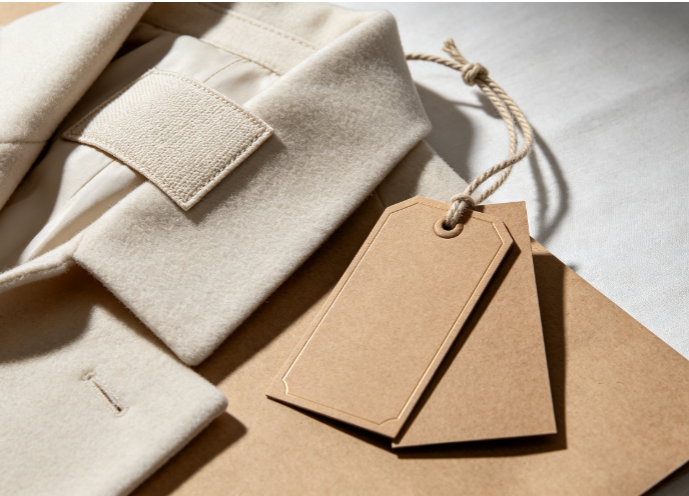
Table of Contents
Introduction: When Packaging Becomes the Brand's First Greeting
Hang Tags: The Brand's First Handshake with the Customer
Woven Labels and Printed Labels: Permanent Signatures on the Garment
Packaging Materials: From Protection to Experience
Sustainability: A Value That Resonates with Modern Consumers
Building a Consistent Brand Narrative System
FAQ
1. Introduction: When Packaging Becomes the Brand's First Greeting
In the first seven seconds before a purchasing decision, packaging is the first physical element a consumer encounters. In the e-commerce era, consumers touch the packaging before they touch the product—and that moment shapes their initial brand perception. A thoughtfully designed hang tag, a soft and refined woven label, a well-crafted box—these are not mere accessories. They are silent conversations between the brand and the customer.
Research shows that 72% of consumers say packaging design influences their purchase decisions. Another 40% of consumers are willing to share a product on social media simply because they like its packaging. These figures reveal a truth: packaging materials and labels are no longer optional add-ons—they are strategic levers that drive customer loyalty and brand growth.
2. Hang Tags: The Brand's First Handshake with the Customer
The hang tag is often the first physical contact a consumer has with a brand. Whether on a retail shelf or at the moment of unboxing, the quality, texture, and design of the hang tag immediately communicate the brand's attitude. It is not a simple piece of paper—it is a "silent salesperson."
What Material and Texture Signal to Customers
The choice of material sends powerful brand signals:
Material / Finish | Brand Signal Conveyed |
Thick cardstock, premium paperboard | "This brand cares about quality and detail" |
Recycled paper, eco-friendly materials | "This brand cares about the environment and social responsibility" |
Foil stamping, embossing, die-cut shapes | "This is a premium, sophisticated product" |
Cotton or leather cord ties | "This brand pursues unique craftsmanship and storytelling" |
A simple design change can yield measurable business impact. One case study showed that a sustainable knitwear brand using biodegradable hang tags with woven-brand patches saw 34% of customer reviews mention "beautiful packaging" and "cute tags" , and their unboxing videos generated significant social buzz.
The Information-Carrying Function of Hang Tags
Beyond aesthetics, hang tags serve information delivery and trust-building functions. They can carry brand stories, product traceability, size information, care instructions, and QR codes linking to the brand's narrative. Through this information, consumers quickly build brand awareness and trust.
3. Woven Labels and Printed Labels: Permanent Signatures on the Garment
Unlike hang tags, woven labels and printed labels are permanent identifiers that live with the garment. They accompany the product throughout its lifecycle, serving as the brand imprint that consumers encounter every time they wear the item.
Woven Labels: The Mark of Luxury and Durability
Woven labels are created by interweaving threads to carry fine logos and patterns. They are prized for their washability, durability, and premium texture, making them the preferred choice for high-end apparel, denim, and outerwear.
·
Advantages: Fine tactile quality, long lifespan, enhances product premium feel
·
·
Process & Cost: Minimum order quantities typically range from 1,000-2,000 pieces, with loom or jacquard programming setup fees of $80-$180, and unit costs around $0.08-$0.25
·
·
Best for: Luxury brands, garments where tactile quality and brand heritage matter
·
Printed Labels: Flexibility and Detail
Printed labels use ink to apply designs to ribbon, cotton, or polyester surfaces, enabling high-detail designs, rich color gradients, and complex patterns.
·
Advantages: Color flexibility, fine detail reproduction, suitable for small batches (MOQ as low as 500 pieces)
·
·
Process & Cost: Lower setup fees ($40-$80), unit costs around $0.10-$0.30
·
·
Best for: Streetwear brands, designs requiring complex artwork or multi-color logos
·
Cost tipping point: When order volumes exceed 2,000-3,000 pieces, woven labels become more cost-effective than printed labels.
4. Packaging Materials: From Protection to Experience
If labels are the product's "identity card," then packaging materials are the product's "home." In the e-commerce and social media era, the role of packaging has evolved from a functional "protective layer" to a core component of the brand experience.
Custom Packaging as a Growth Lever
By 2025, custom packaging has evolved from a "nice-to-have" to a growth lever. The U.S. custom packaging market is projected to reach $71 billion by 2032. Upgrading plain shipping cartons to custom-printed boxes delivers multiple benefits:
1.
Elevates perceived value: A well-designed box signals product quality, allowing brands to command higher pricing and margins.
2.
3.
Reduces return rates: Properly sized packaging better protects products, reducing shipping damage and returns.
4.
5.
Generates social media content: Billions of unboxing videos are watched every year—attractive packaging becomes free word-of-mouth marketing.
6.
7.
Builds customer loyalty: A delightful unboxing experience creates positive emotional associations with the brand, driving repeat purchases.
8.
Strategic Dimensions of Custom Packaging
In competitive e-commerce, differentiation has extended from the product itself to the packaging. Custom boxes, through precise structural design and visual execution, strengthen brand positioning while improving operational efficiency. With techniques like Pantone color matching, embossing, foil stamping, and specialty coatings, brands can extend their brand story to their shipping packaging.
The "Social Currency" of Unboxing
In the social media age, beautiful packaging is content. When consumers receive a well-designed package, they are more likely to photograph and share it—generating organic user-generated content and free exposure. An ordinary brown box will never "go viral," but a beautiful design can.
5. Sustainability: A Value That Resonates with Modern Consumers
Sustainability has moved from trend to core consumer expectation. A brand's choice of sustainable packaging is a powerful signal of its values.
·
Key data: 54% of consumers say they are more likely to choose a brand that offers sustainable packaging; 60% to 70% of U.S. consumers factor sustainability into their purchasing decisions, with at least half willing to pay a premium for it.
·
·
Application level: Using recycled, compostable, or reusable materials—such as GRS-certified recycled polyester, FSC-certified paper, or biodegradable materials—not only reduces environmental footprint but also builds deeper trust with environmentally conscious consumers.
·
6. Building a Consistent Brand Narrative System
What truly drives customer loyalty is a complete brand narrative system that integrates hang tags, woven labels, printed labels, and packaging materials. When every touchpoint tells the same story and conveys consistent values, the brand builds a solid and unified image in the consumer's mind.
Consistency builds trust. Trust drives repeat purchases.
7. FAQ
Q: What are the main differences between hang tags, woven labels, and printed labels?
A: Hang tags are external paper or card tags that serve as the consumer's first point of contact, ideal for brand stories and temporary information. Woven labels are durable, tactile, permanent identifiers woven from threads, ideal for logos and brand names. Printed labels are ink-printed on ribbon, cotton, or polyester, offering rich color and design flexibility, ideal for complex artwork and multi-color designs.
Q: What are the cost differences between woven and printed labels?
A: Woven labels have higher setup fees ($80-$180) but lower unit costs ($0.08-$0.25). Printed labels have lower setup fees ($40-$80) but slightly higher unit costs ($0.10-$0.30). Above 2,000-3,000 pieces, woven labels become more cost-effective.
Q: Why does packaging affect customer loyalty?
A: Packaging is the only physical brand touchpoint that consumers experience before purchase. Premium packaging communicates quality, protects the product, and creates a delightful unboxing experience—positive emotions that become associated with the brand, driving repeat purchases.
Q: How can I balance packaging cost and brand experience?
A: Treat packaging as an investment, not a cost. Optimize through: custom sizing to reduce shipping costs, volume production to lower unit costs, eco-friendly materials to attract value-conscious consumers, and focused quality investment on key touchpoints (outer box, inserts, hang tags).
Q: Is sustainable packaging a trend or a consumer necessity?
A: It has become a core expectation for many consumers. Consumers care not only about the product itself but also about the brand's stance on environmental issues. Sustainable packaging is an effective way to build consumer trust and differentiate your brand.
Related articles
May 16, 2026
Durability and compliance of garment care labels: quality assurance system from high-density weaving to screen printing to wash resistance testing
May 16, 2026
Guide to Material and Craft Selection for Clothing Tags: Environmental Trends and Cost Analysis from Coated Paper to PVC to Recycled Materials